EP 112: Avoiding Alzheimer’s: A Science-Backed Strategy
As someone who prefers to keep my wits as long as possible, I want to discuss 9 science-based, proactive steps you and I can take now to (hopefully) avoid developing Alzheimer’s dementia later. I hope you’ll listen in and find it helpful.
Show Notes
VERSES CITED:
- John 3:30 – “He must increase; I must decrease.”
- Thessalonians 5:17 – “Pray without ceasing.”
- Colossians 4:2 – “Devote yourselves to prayer, being watchful and thankful.”
- Ephesians 6:18 – “Pray in the Spirit on all occasions with all kinds of prayers and requests. With this in mind, be alert and always keep on praying for all the Lord’s people.”
- Philippians 4:6-7 – “Be anxious for nothing, but in everything by prayer and supplication, with thanksgiving, let your requests be made known to God; and the peace of God, which surpasses all understanding, will guard your hearts and minds through Christ Jesus.”
- Mark 12:30 – “And thou shalt love the Lord thy God with all thy heart, and with all thy soul, and with all thy mind, and with all thy strength: this is the first commandment.”
- 1 Corinthians 10:31 – “Whether, then, you eat or drink or whatever you do, do all to the glory of God.”
- John 3:30 – “He must increase, but I must decrease.”
RELATED LINKS:
- Your Parent Has Dementia. Here’s the $405,000 Survival Guide Nobody Gave You
- Gut: The Inside Story of Our Body’s Most Underrated Organ
- Blueberries, the well-known ‘super fruit,’ could help fight Alzheimer’s
- Study of green tea and other molecules uncovers new therapeutic strategy for Alzheimer’s
- Preventive Effects of Olive Oil on Alzheimer’s Disease: What to Know
- Eating Avocados: Does It Help Prevent Dementia
- The effect of curcumin (turmeric) on Alzheimer’s disease: An overview
- Beneficial Effects of Walnuts on Cognition and Brain Health
- Association of Egg Intake with Alzheimer’s Dementia Risk in Older Adults
- Rainbow Salad Recipe
- Comparison of types of diabetes
- The Hidden Threat: How Refined Grains and Sugar Impact Dementia
- When Diet Meets Dementia
- Intermittent Fasting as a Neuroprotective Strategy: Gut–Brain Axis Modulation and Metabolic Reprogramming in Neurodegenerative Disorders
- Research reveals: smart wives reduce the risk of Alzheimer’s disease
- Marital status and risk of dementia over 18 years: Surprising findings from the National Alzheimer’s Coordinating Center
- Marriage linked to reduced Dementia Risk
- Inside the Box
- Free Printable Prayer Guides
- Pimsleur Language Program
- Why “Grandma Hobbies” Could Be the Secret to Better Mental Health
- Is Sunshine Key to Reducing Dementia Risk?
- Influence of physical activity on cognition and brain function
- Association Between Mentally Stimulating Activities in Late Life and the Outcome of Incident Mild Cognitive Impairment
- Three science backed lifestyle changes to lower your dementia risk
- Reading writer lower dementia risk study finds
- Free Reading Challenge Printable
- Bible Memory Tips and Tricks
- A Grand Investment
- Can prayer reduce the risk of Alzheimer’s?
- Prayer regularly reduces risk of dementia
STAY CONNECTED:
- Subscribe: Flanders Family Freebies -weekly themed link lists of free resources
- Instagram: @flanders_family – follow for more great content
- Family Blog: Flanders Family Home Life – parenting tips, homeschool help, printables
- Marriage Blog: Loving Life at Home– encouragement for wives, mothers, believers
- My Books: Shop Online – find on Amazon, at Barnes & Noble, or through our website
My Plan for Avoiding Alzheimer’s
Complete Transcript for Episode 112
Hello, friend. Welcome to Episode 112 of Loving Life at Home. Today I’d like to address proactive steps you and I can take now to (hopefully) avoid developing Alzheimer’s dementia later.
Our family just got back from spending a week in Branson, and my nearly 89-year-old mother came with us. She flew to South Korea with us a couple of months before that. Mom is in great health. She takes no medication whatsoever. And she is completely lucid. What’s more, she has a great sense of humor and is a joy to be around, so we love having her travel with us.
And the knowledge that she passed at least some of those great genes down to me fills me with gratitude and with hope that, maybe, I’ll still be as healthy and active and clear-thinking when I reach her age as she is right now.
All that to say, the topic of this post is not motivated by personal experience. We’ve mercifully been spared dealing with dementia in our immediate family, for which I’m so very grateful.
Nevertheless, a couple of weeks ago, one of my daughters sent a very sobering article out on our family chat outlining what should be done in the first 90 days after a parent is diagnosed with Alzheimer’s
My daughter explained, “I happened upon this article today and thought it was very insightful. We hopefully will never need this advice, but we certainly will encounter those who do, especially in the medical field.”
I’m trying not to read too much into her sharing this resource, which begins,
“Warning: If you came here for tips like “train Grandma’s memory” or “bring Grandpa back with crossword puzzles,” close this. You won’t find that here. This is for adult kids and spouses. For the person standing next to someone who is disappearing. Your job is not to cure it. You can’t. Your job is to keep the disease from dragging the whole family under. You are not a rescuer. You are crisis management.”
That’s heavy, isn’t it? If you are living through this nightmare right now, that author’s perspective would be worth the read. I’ll provide a link in today’s show notes in case you ever find yourself walking such a difficult path: Your Parent Has Dementia. Here’s the $405,000 Survival Guide Nobody Gave You
The article goes on to list seven steps that should be taken as soon as your loved one receives a dementia diagnosis.
Thankfully, in our family, things have not yet reached that point. As far as I can tell, everybody’s memory – including my own – is still pretty sharp.
We’re still hanging in there…
Sure, some of my kids get nervous if I mispronounce a word. Or forget the color of the car we took to the grocery store. Sometimes they look sideways at Nana if she tells them a story she’s told before. [Which, let me assure you, Mother, because I know you are listening, does not happen very often at all.]
In our defense, we do have a whole lot of kids and grandkids. And it’s easy to lose track of which family members have already heard whatever news you’re sharing and which were absent the first time or two you told it.
Besides, I sometimes get in trouble for telling all but a few of our children something important. So maybe it would be worth the risk of repeating myself in front of a couple of them to make sure everyone gets the memo.
And, of course, if your husband traded in vehicles as often as mine does, or if the ones you own wind up in the shop as frequently as ours have of late and you wind up temporarily driving a rental, then you might lose track of the car color-of-the-week, just as I sometimes do, and find yourself searching the grocery store parking lot for a vehicle you didn’t drive there.
Now, as far as mispronunciations go, the word I most recently butchered which elicited so much concern from one of our daughters was actually a name: Keanu Reeves. But you’ve got to admit, his is an unusual name — and certainly not one I use every day. In fact, I seldom even subvocalize it when I see it in print!
So the fact I called him Kih-no instead of Key-ah-new in a relatively inconsequential conversation should not be taken as proof that I’m losing my mind. Not yet, at least!
And hopefully not for many long years to come if the following strategies are as protective against Alzheimer’s as research seems to indicate.
9 Science-Backed Habits That’ll Reduce Your Dementia Risk
The “Your Parent Has Dementia” article I cited above may not offer any tips for memory training or crossword puzzles, but that’s exactly the kind of potentially preventative measures this podcast episode will cover.
So here are nine habits I’ve adopted in the hopes that they’ll help me avoid Alzheimer’s.
1 – Eating Prudently
Diet plays a substantial role in both physical and mental health. To keep our bodies and brains functioning well, it is imperative that we fill them with good fuel.
In fact, scientists are beginning to realize there is a much stronger connection between our gut and our brain than we’ve ever before appreciated. This is an emerging field of research, and you can find many fascinating books and studies that delve into it. I’ll link just a couple in today’s show notes.
We should remember that when God created Adam and Eve and placed them in the Garden of Eden, He provided a wide variety of fruits and vegetables for their nourishment. So we should do our best to include lots of nutrient dense, whole plant foods in our diets, as well.

Increase your daily intake of:
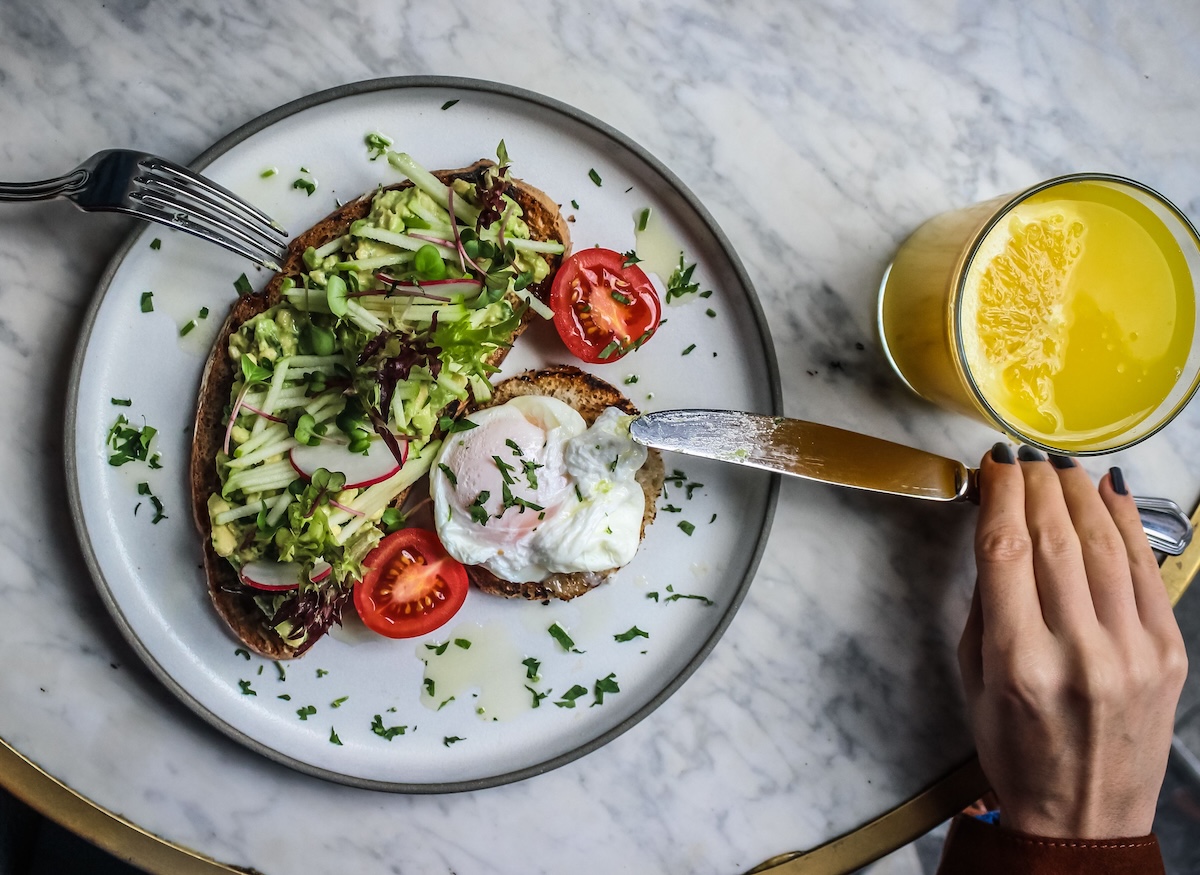
Hopefully, by adding so much good stuff to your diet, you’ll have less room for the bad stuff. But I’ve also tried to actively cut out the biggest offenders, including
Decrease your intake of:
The next thing I do to reduce my risk of Alzheimer’s is #2…
2 – Fasting Intermittently
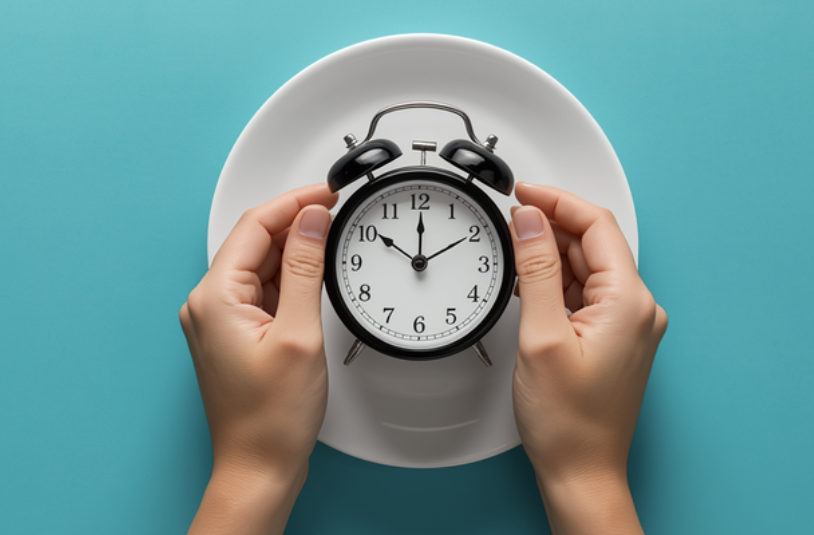
One of the studies I read focused on narrowing your daily eating window to 8 hours and another looked at alternate-day fasting. Either or both may reduce the risk of Alzheimer’s, through a variety of mechanisms that work to preserve cognitive function, restore resiliency, reduce oxidative stress, enhance mitochondrial function, and regulate synaptic pruning. That’s a mouthful, isn’t it? (I’ll include a link to this article as well as all the other studies I mention in today’s show notes in case you’re interested in reading more.)
Incidentally, many of the things that are good for lowering your risk of Alzheimer’s, including fasting, are also good for preventing and/or fighting cancer, so I’ve been incorporating them into my routine for a year and a half now – ever since my breast cancer diagnosis in 2024. And all the follow-up tests I’ve had since my lumpectomy have continued to show I’m cancer free, including the most recent circulating tumor DNA test I had in April. So we are so grateful for that!
But back to preventing Alzheimer’s, another habit I’ve cultivated is #3…
3 – Socializing Frequently
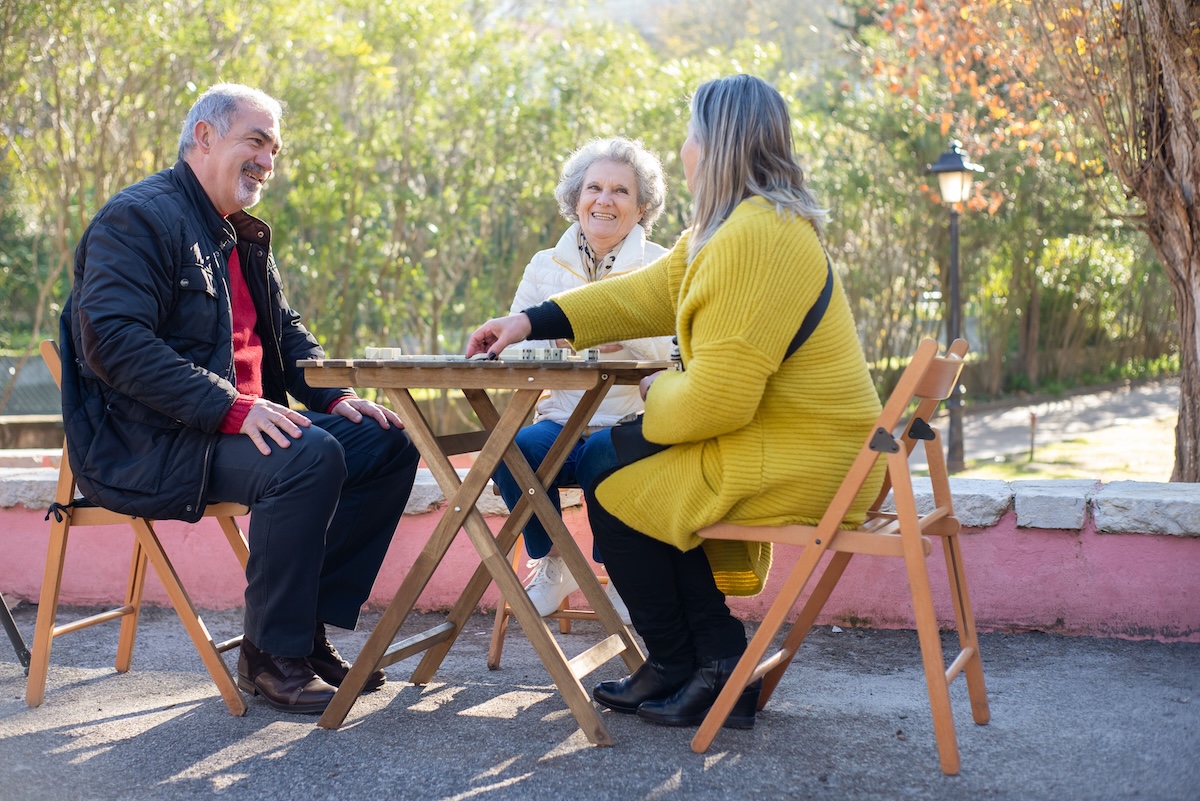
Isolation is a known risk for Alzheimer’s and dementia, so nurturing close relationships with friends and family members is an important part of reducing overall risk.
Maintaining strong social connections is important. Preferably in real-life, face-to-face interactions. Scrolling social media doesn’t count. In fact, that often serves to increase feelings of isolation.
My plan is to continue to nurture the relationships God has given me, as well as to cultivate new ones. Thankfully, in my case, I have a lot of built-in relationships: a devoted husband, 12 wonderful children, 5 awesome daughters-in-law, 1 amazing son-in-law, and 25 precious grandchildren with 3 more due before the end of the year.
And since 6 of those family members live in the same house and the majority of those who don’t live within a 30-minute drive of us, that’s a lot a great fellowship and social interactions.
If you don’t have a huge family or if your children all live far away, you can still get involved in other various communities: Stay active in church. Join a book club or quilting bee or pickleball league, etc. Invite people over to play games or drink coffee or swap recipes or walk around the block. Spend time with friends. Facetime with loved ones. Engage in meaningful dialogue. Give and receive love and support and encouragement.
These kinds of positive interactions contribute to our feelings of being needed and having a sense of purpose, all of which helps protect against cognitive decline.
About ten years ago, I read about a fascinating study which found that, for men, simply being married to an intelligent woman was enough to reduce their risk of Alzheimer’s.
In fact, even when a man’s brain already shows extensive Alzheimer’s pathology, he is less likely to exhibit behavioral symptoms if he has a smart wife. Unfortunately, that protective effect doesn’t hold true the other way around: having a smart husband seems to have no effect on whether or not the wife gets Alzheimer’s.
The point of my sharing this is not to call into question the intelligence of anybody’s spouse. Certainly, none of these statistics are 100%, and brilliant minds of both sexes have been decimated by dementia, no matter how deeply the people involved tried to support their partner’s health or desired their situation to be different.
Interestingly, while I was searching for that link about the intelligent wife research, I came across more recent study done at the University of Florida College of Medicine which found that “getting married may significantly increase your risk of dementia.”
But it does underscore the importance of adding regular, stimulating conversations and strong social interactions to your arsenal of preventative measures.
The researchers conceded this trend might be due to “delayed diagnoses among unmarried individuals,” since married individuals have partners who may be more likely to notice and investigate early symptoms. But their findings fly in the face of every other study I’ve ever seen on the relationship between marriage and Alzheimer’s.
Most studies of the past have indicated being married significantly lowers your risk. And since I’m currently married and plan to stay that way, I’m going to bet on the preponderance of research on this topic.
Next on my list of strategies for avoiding Alzheimer’s is #4
4 – Exercising Regularly
For me, that means taking at least one brisk walk every day and regularly bouncing up and down on my rebounder.
Studies show that “Individuals who are physically active are less likely to experience a decline in mental function and have a lower risk of developing dementia” than their more sedentary counterparts.

The key is consistency and moderation. You shouldn’t take it so easy that you never break a sweat or raise your heartrate, but neither should you risk injury or spike stress levels by going overboard and punishing body with extreme or excessive workouts.
A mile-long walk with my husband every night after dinner has been the perfect medium for us.
Give yourself bonus points if you can manage to exercise outdoors in the fresh air and sunshine, as both those things are beneficial to our overall health and may help lower our risk of dementia, thanks to the role sunlight plays in Vitamin D production and circadian rhythm regulation. (Low vitamin D levels have been linked to higher tau protein buildup in the brain, which is a key marker for dementia.)
My next suggestion for avoiding Alzheimer’s is #5
5 – Thinking Deeply
Our brains need mental challenges – and we should intentionally make them hard. We want to really give our brains a good workout. There is a variety of ways to do this.
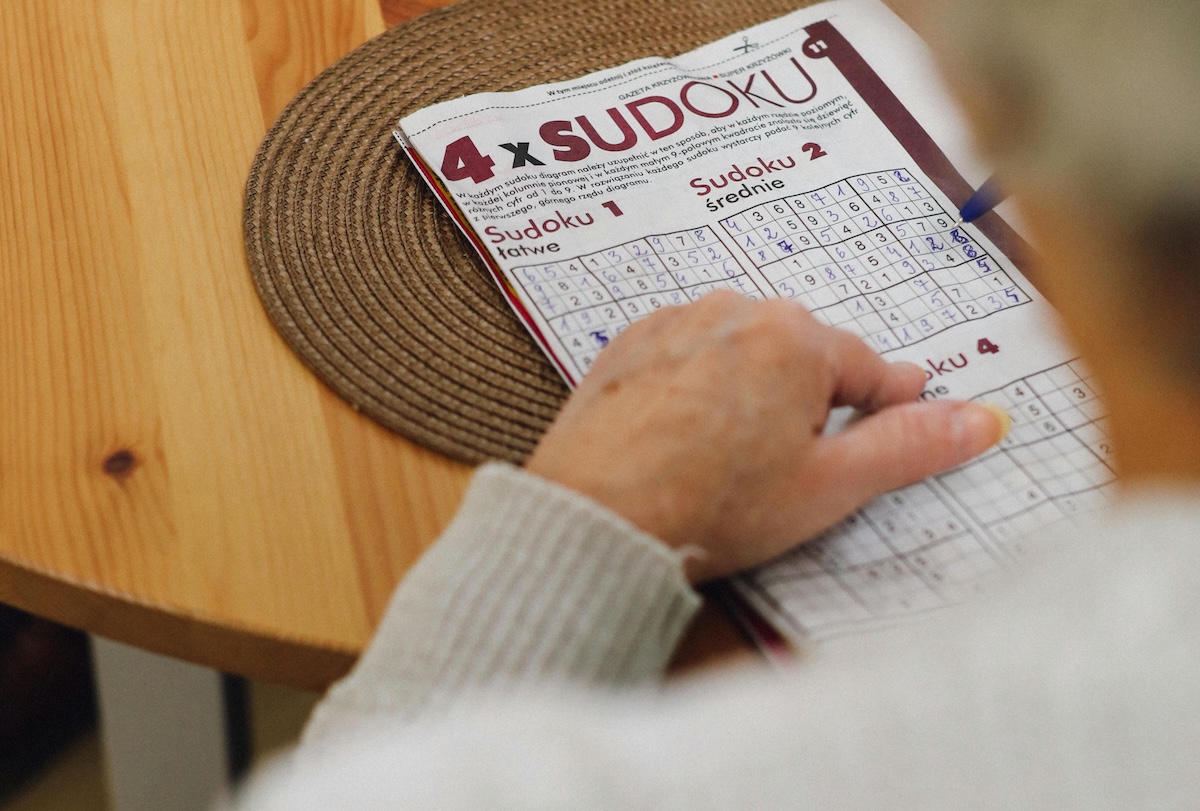
For me, I love doing Sudoku, but I’ve done so many of them at this point that the regular garden-variety no longer presents much of a challenge. So I’ve taken to doing variations: Not only do I have to fill each grid with digits 1-9, but I also have to abide by an assortment of other constraints. Maybe I can’t place consecutive numbers side by side. Or I have to use only even numbers in the shaded squares and odd in the white ones. Or I must fill in 4×4 squares with digits 0-9 and letters A-F while still abiding by all the other rules of Sudoku. Or the numbers have to add to a certain sum.
They truly are challenging for me – I can still solve them, but it usually takes me several days to do it. So I keep a book of such variations going at all times and work on it as I find the time.
You may want to try it yourself: Compose children’s story using only 50 unique words (like Dr. Seuss did with Green Eggs and Ham) or write a poem that fits a particular rhythm and style, such as iambic pentameter, or pen a prayer in the form of an acrostic (I’ve done lots of those and offer them as free downloads on my blog – I’ll put a link in the show notes) or make up riddles in which every word starts with the same letter of the alphabet.
Of course, I know ChatGPT could spit out any of these challenges in a matter of minutes if we asked, but that’s not the point of this exercise. Letting AI do the work for you is not going to help your brain any more than watching aerobic videos while eating potato chips on the couch is going to tone your body. In either case, you’ve got to use it or lose it!
My concern with tools like ChatGPT and GROK and all the others is that the more reliant we become on AI, the less capable or inclined we will be to think critically and creatively for ourselves… or to even remember simple information. Think about what has happened to our ability to recall phone numbers since smart phones started storing them all on speed dial. I used to know at least two or three dozen phone numbers by heart for friends and family members and even businesses I called regularly. Now I only know two or three off the top of my head.
I even recently overheard one of my sons ask his wife for the address of the house they’ve been living in for several years, because every time he goes to type it into his phone or laptop, the field automatically populates, making exact recall unnecessary. So he’d forgotten, and when he was trying to say the address in answer to a question instead of typing it into a computer, he wasn’t entirely sure he had it right. Isn’t that kind of scary?

After just 25-30 lessons, we learned enough German, French, and Italian before backpacking Europe for the first time that we were able to order in restaurants, ask for directions, find a bathroom, exchange money, say excuse me, please, and thank you, and understand basic conversations well enough to get around without having to consult a language dictionary on that first trip or Google translate on subsequent visits too terribly much. If you don’t want to invest in a complete curriculum, do a few exercises on DuoLingo every day – I think there’s still a free version of that app. Or watch a familiar film in a foreign language and follow along with the subtitles.
Another great strategy for avoiding Alzheimer’s is #6…
6 – Developing Hobbies
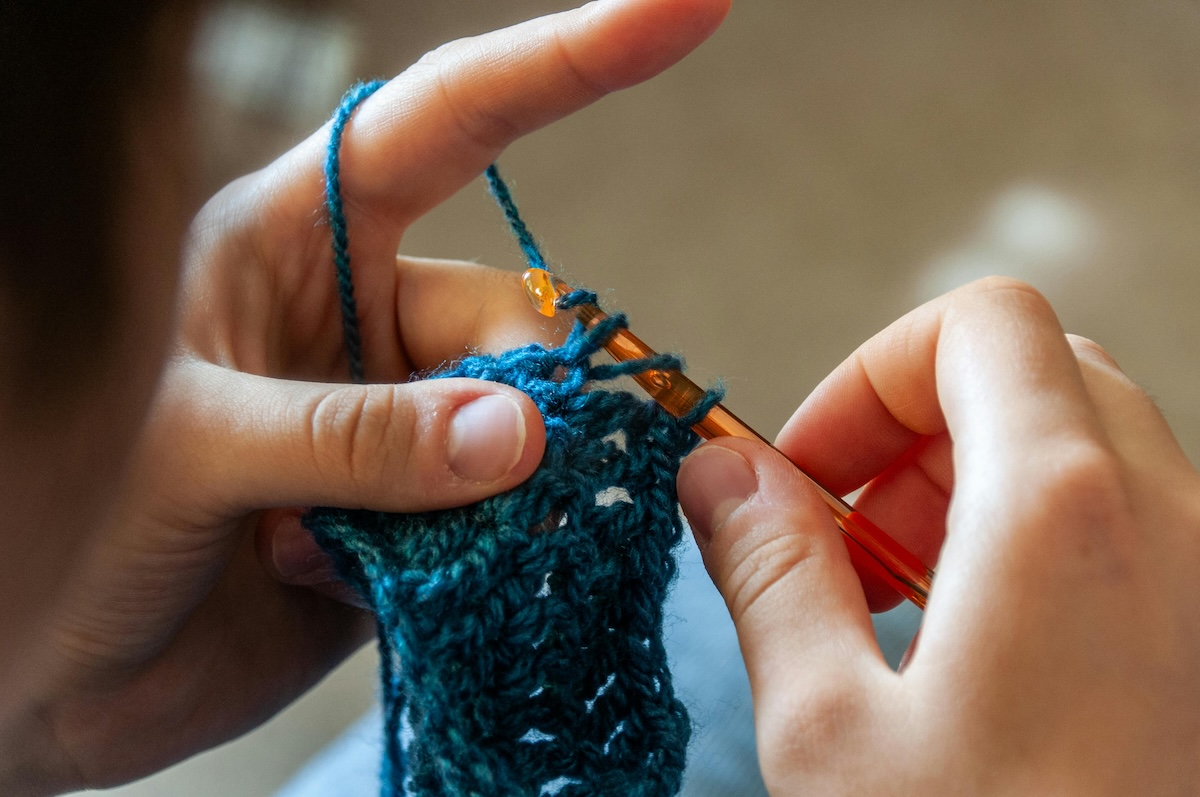
Do something creative: Paint, cook, sew, crochet, bake, scrapbook, refinish furniture, quilt, weld, carve wood, shoot photos, tool leather, grow flowers or vegetables, make stained glass, or take up basket weaving. It doesn’t really matter, as long as you are working with your hands to create something new.
I’ve been seeing lots of studies sited on Instagram lately about how beneficial “grandma hobbies” are to your mental health. And I believe it. I’ve been sewing and crocheting and embroidering and all those kinds of things ever since I was old enough to hold a needle. And my emotions have always been pretty steady and stable.
And now I read that having creative hobbies reduces your risk of cognitive decline, so I plan to keep enjoying all the crafts I’ve loved for years, but also learn new ones, like rug-hooking, basket weaving, pottery throwing, and tatting. The fact that I teach a weekly girls’ Home Arts and Hand Crafts class at co-op gives me even more motivation to make those goals a reality.
Another thing we can do to strengthen cognition is #7
7 – Sleeping Deeply
That’s the time — while we are asleep — that our brain repairs itself. And it’s so important to your emotional health and well-being as well as your brain function to get at least seven or eight hours of sleep every night.
Then another part of my plan for reducing my risk for dementia is number #8…

8 – Reading Widely
I suppose this is really just a sub-topic of thinking deeply, but I’d recommend you keep at least one book going at all times.
Bonus points if you sample a wide variety of books that encourage you to think deeply across a broad range of subjects. I saw one study that claimed reading – and writing – can reduce your risk of dementia by nearly 40%.
One reason that may be the case is that reading helps build new neural pathways, so that even if some of the old ones begin to deteriorate (neural pruning is a natural process), you will still have a healthy network of connections to draw from. It’s almost like having a deep, stimulating conversation with the author.
I usually average a book or two per week, although that number has been a little bit higher lately – I’ve finished reading 43 books so far this year, and am nearing completion on half a dozen others.
The thing that has motivated me to up my game in this department is a deal I made with myself – and have mostly stuck to – not to purchase any new books until I finish reading all the titles in my to-read stack (or until September, whichever comes first). I haven’t kept that New Year’s resolution perfectly, but I’ve bought far fewer books during the past five months than I normally acquire.
At least until this weekend. We attended a homeschool conference in The Woodlands, and I won a $250 gift certificate the very first night we were there to be spent on any curriculum of my choice. So, of course, I came home from that with a lot of wonderful new books. Does it count if I spent somebody else’s money on the books? I think that should be allowed. Don’t you?
Of course, when it comes to reading widely, the very first book we all should begin with is the Bible. I plan to do a separate podcast on Bible study very soon, which was prompted by a couple of discussions I’ve had with my kids recently. You can be looking for that one in the next week or two.
I’d also recommend memorizing large portions of scripture!! (I’ve already done a podcast on tips and tricks to make Scripture memory easier. Plus I have several print packs of resources called A Grand Investment designed to help all ages memorize specific and significant portions of scripture. I’ll link all those resources in today’s show notes.)

My thinking is that by hiding as much of God’s Word in my heart as I possibly can and by meditating on it regularly, then even if my short-term memory eventually does begin to slip, there will be enough Truth cemented in my long-term memory that that reservoir will continue to shape and inform the words that come out of my mouth so that, hopefully, I won’t act to ugly or cantankerous or ungrateful toward my caregivers. I don’t know if that strategy will really work, but I’m certainly praying it does!
And that brings me to the last (but by no means the least) of my daily habits to avoid Alzheimer’s: #9…
9 – Praying Daily

First of all, the Bible tells us to do so:
Don’t you love that? God says that when we pray instead of worrying, it will result in our hearts and minds being protected.
Well, science is finally starting to catch up to what scripture has been saying for nearly two millennia. Researchers aren’t entirely sure how or why it works, but they have been able to document the fact that prayer does indeed protect our brains and helps reduce the risk of cognitive decline.
According to a 2025 US–Israeli study, “regular prayer can reduce the risk of Alzheimer’s by up to 50%,” with women who prayed regularly showing the strongest protective effect.
This may be because prayer helps combat depression and anxiety, both of which increase our risk for cognitive decline. Also, by lowering stress and cortisol levels, prayer helps to protect the memory-storing parts of your brain.
No Guarantees
Admittedly, none of these nine suggestions are a guarantee. You and I could faithfully do everything on this list and still wind up with dementia.

Even so, it’s important to do everything we can to take care of both our bodies and our brains. We should naturally want to be a good steward of the health God has given us, but, in the end, we have to acknowledge that we’re completely dependent on His mercy in every facet of our life, including our mental health.
The Bible repeatedly calls us to love God with all our heart and soul and MIND and strength, (Mark 12:30) and also to glorify Him in everything we do. (1 Corinthians 10:31)
Of course, my preference would be to love Him with a mind that remains fully functional. I imagine that’s your preference, too.
Or, if I do end up losing my memory, I would at least want to remain kind and cooperative and blissfully unaware.
But even that may not be how it plays out.
And I probably need to be okay with that possibility. My bottom-line, not-my-will-but-thine-be-done prayer should be that God would use my life in whatever way will bring Him the most glory.
As much as I’d like to think I’d do a better job glorifying God by being lucid than by being senile, it isn’t up to me. And, ultimately, it isn’t about me, either.
Maybe the glory God is after has nothing to do with what I personally think or say or write or do. Maybe the glory He desires is what He’ll get through the patient, loving kindness my kids show me in my old age.
If that ever happens, and worse comes to worse as far as my brain health is concerned, I hope my children will remember:
- First of all, that I really did do my part to spare them this trial.
- Second, that I love them and am proud of them and am so very grateful for everything they do to serve and support and help me, even if a day comes when I no longer remember to voice all those facts aloud to them.
- And the third thing I want them to remember—and most important of all—is that God is good! And His grace is sufficient to carry them through each and every hardship life sends their way… even the heartbreak of watching their mother slowly fade away.
I think I’ll end on that high note.
Not the memory loss—that’s not a high note. But the goodness of Jesus most certainly is! As John the Baptist famously noted, “He must increase, but I must decrease.” Lord, make it so, in whatever way You see fit.


Excellent article! I am only in my 20s but I have a feeling that developing these habits as soon as possible will help – and help in more ways than just dementia, too. Thank you as always for having such a nice readable article as I prefer that to listening. God bless and please keep the good posts coming!
You are so welcome, Abigail. Thanks for the encouraging words!
Listened with my mom as we made dinner 🙂 Loved it, as always – thank you!
So glad you enjoyed it, Janine. Thanks for your sweet encouragement!